
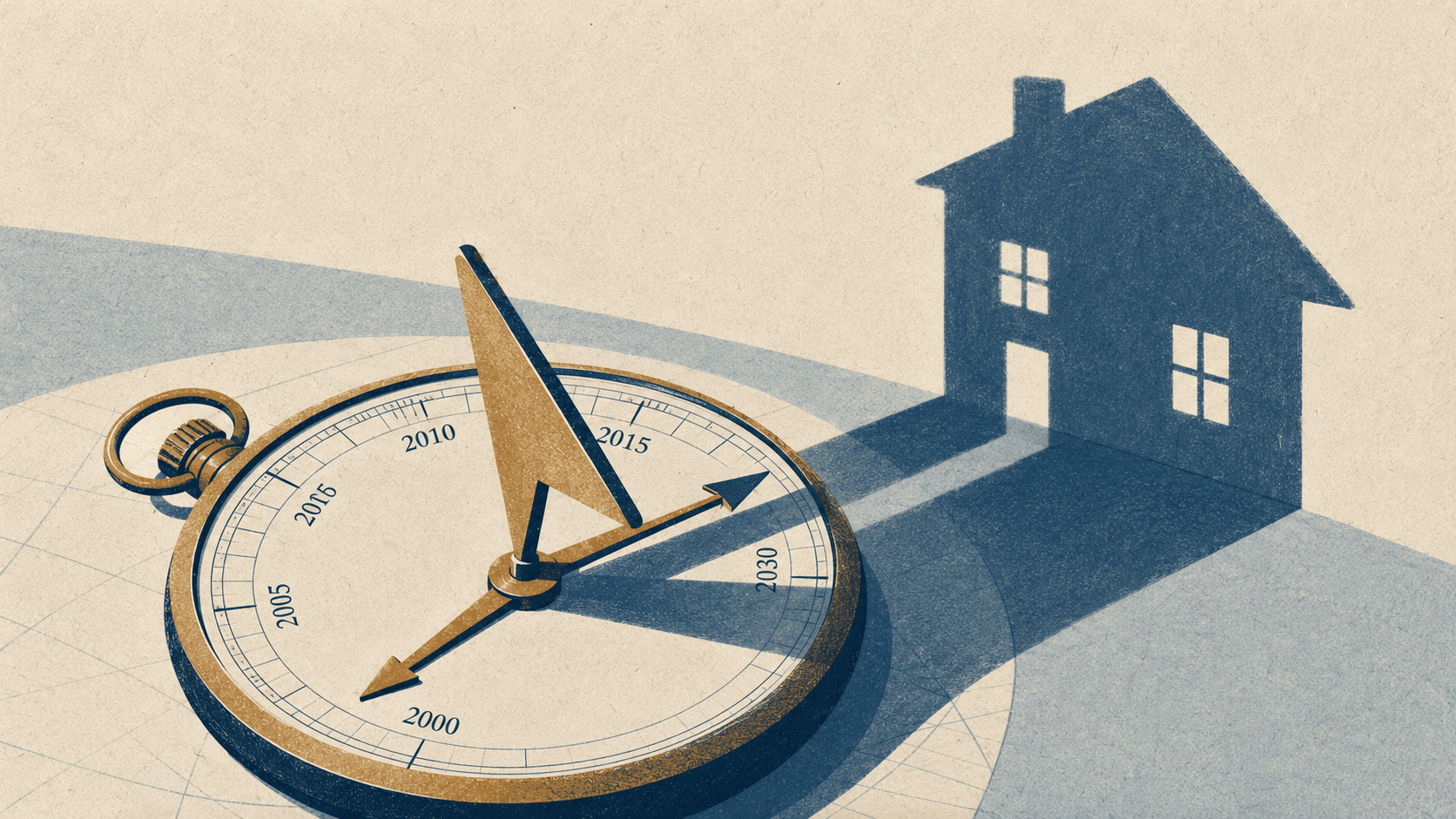
Timing comes up in almost every first conversation. Should you wait for rates to drop? Wait for prices to fall? Buy now? Here is the honest truth: nobody can reliably time the market. But that does not mean timing is useless. It means the timing that matters is your own readiness, not some perfect market moment that may never come. Let's break down what really moves the needle.
Spring Is the Busiest Season to Sell
In most areas, the months from March through June bring out the most buyers. Families want to be settled before the school year, people relocating for work tend to move in spring, and nicer weather makes house-hunting more pleasant. More buyers means more competition for your home, which means higher offers and more of them to choose from.
But here is the part sellers miss: the ones who win in spring did not start in spring. They started prepping in January, getting the home staged, fixing issues early, and nailing the price before they listed. The season helps, but only if you are ready to ride it.
Winter Is Often the Better Season to Buy
From November through February, far fewer buyers are out, which means fewer bidding wars and more room to negotiate. The sellers who list in the cold usually have a real reason to move, like a job change or a lease ending, so they tend to be more flexible on price, conditions, and credits.
Homes that have sat unsold since the fall often have price cuts available that you would never see in the spring rush. The trade-off is simpler: there are fewer homes to pick from, so you may have to be patient to find the right one.
Your Local Economy Matters More Than the National News
National headlines about "the housing market" can be misleading, because real estate is local. Each area runs on its own engine. A college town follows the school calendar. A tech city rises and falls with hiring booms. A government town moves with budget seasons.
So instead of reacting to national news, ask what drives demand where you are buying or selling. One more local factor: homes within an easy walk of a train or transit stop tend to hold their value more steadily through the year, because that location stays in demand.
Waiting for Lower Rates Often Costs More Than It Saves
It feels smart to wait for interest rates to drop. Often it is not. People who waited for rates to fall in recent years frequently watched home prices climb faster than the rate savings would ever cover.
Run the math. On a $700,000 home, a 1% lower rate saves roughly $400 a month. That is real. But if the home you wanted goes up $80,000 in price while you wait, you have lost far more than you saved, and you can always refinance to a lower rate later, but you cannot rewind the price. If you plan to keep the home at least five years, the exact rate matters much less than getting in.
The One Signal That Really Tells You It's Time
Forget timing the market. The real green light is your own life lining up. Ask yourself four questions:
Are your finances steady? Is your down payment ready without emptying your emergency fund? Are you confident in your job enough to carry a mortgage for at least five years? And does your family situation, space, schools, being near the people you love, point clearly toward this move? When all four are true at once, that is your moment. The market will always give you a reason to wait, and the people who keep waiting often get outbid two years later when rates fall and everyone jumps back in.